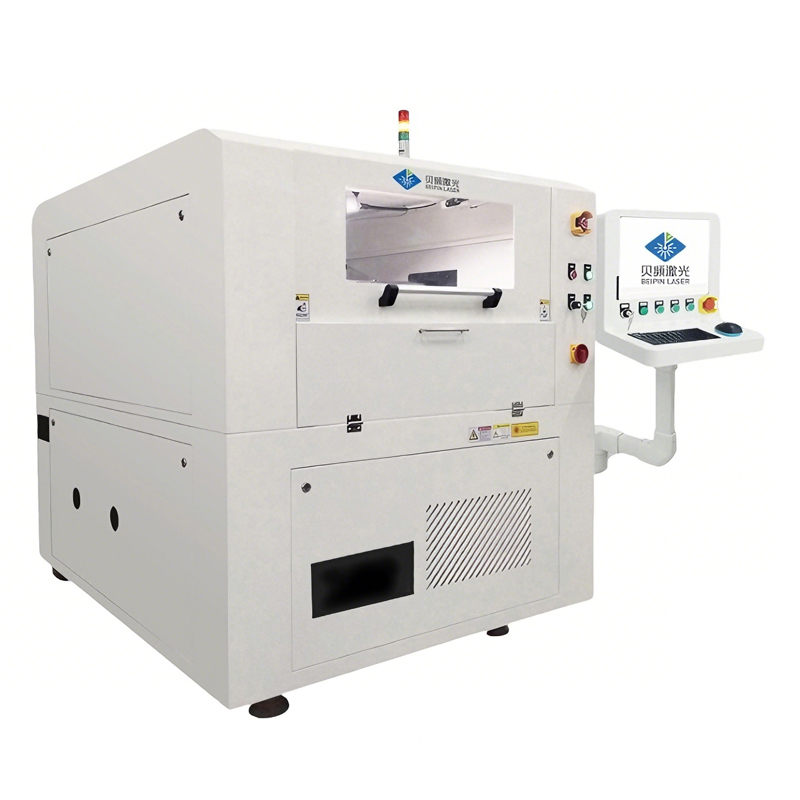
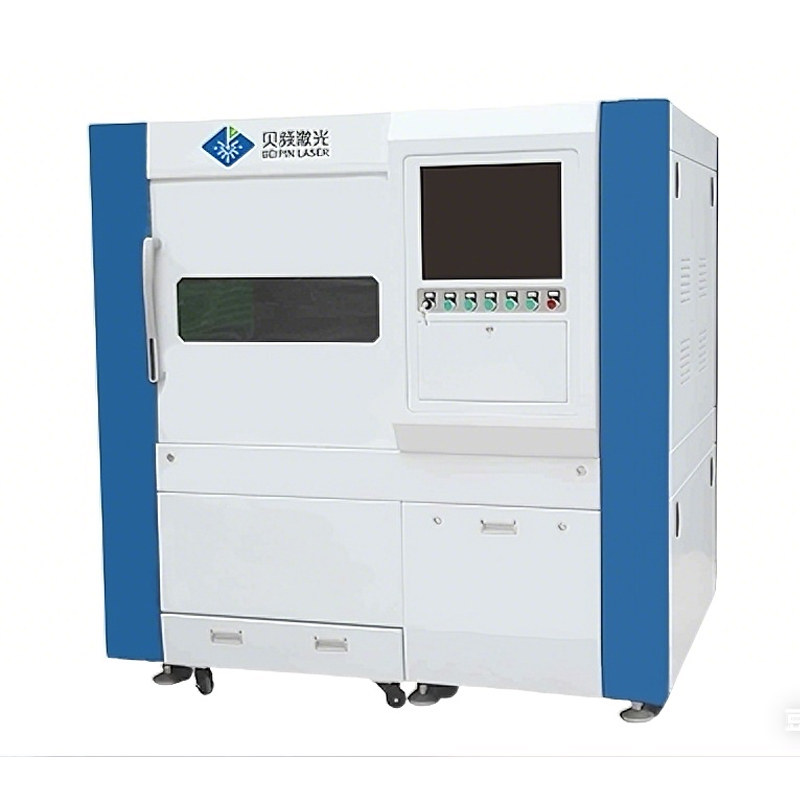
QCW Laser Spot Welder BP-W-P150
- Machine Model: #BP-W-P150
- Stock: In Stock & Customizable
Contact Customer Service
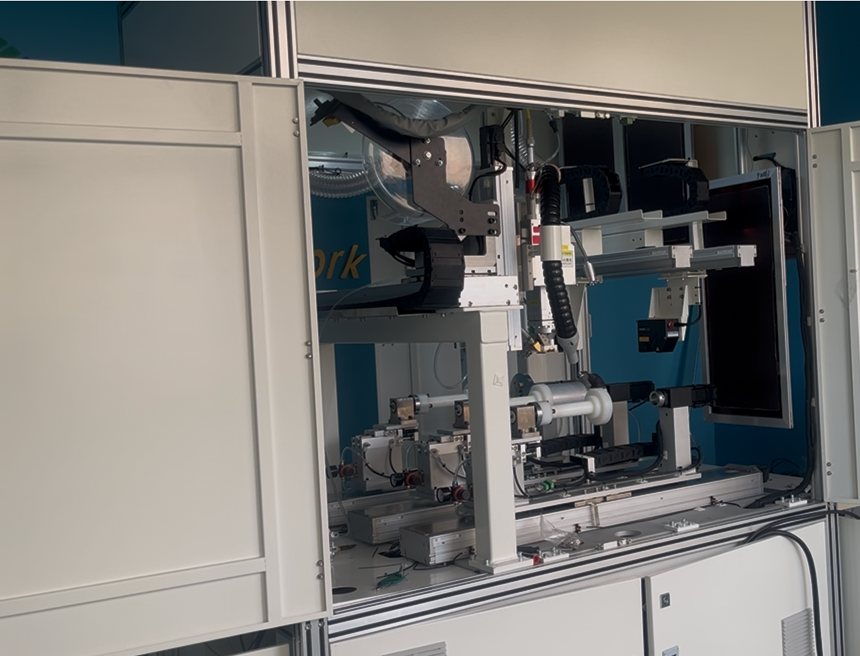
BP-W-P150 QCW quasi-continuous fiber laser spot welder: 150 W average / 1500 W peak, 0.2–50 ms pulses, CCD vision positioning, rotary chuck. For 0.1–0.8 mm stainless steel, titanium, NiTi, copper and aluminum parts. Free sample testing in Suzhou, China....
- 150 W average / 1500 W peak QCW fiber laser, 0.2–50 ms pulses
- HD CCD vision positioning and three-jaw rotary chuck
- For 0.1–0.8 mm stainless steel, titanium, NiTi, copper and aluminum parts
QCW Pulsed Laser Spot Welder BP-W-P150 for Sensors and Medical Precision Parts
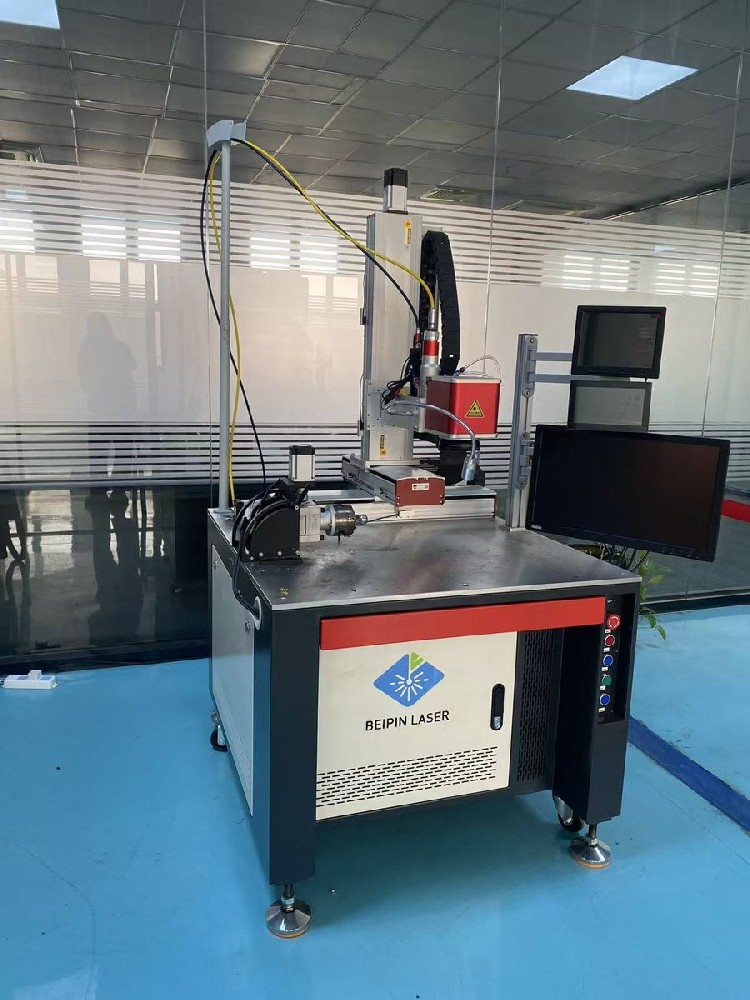
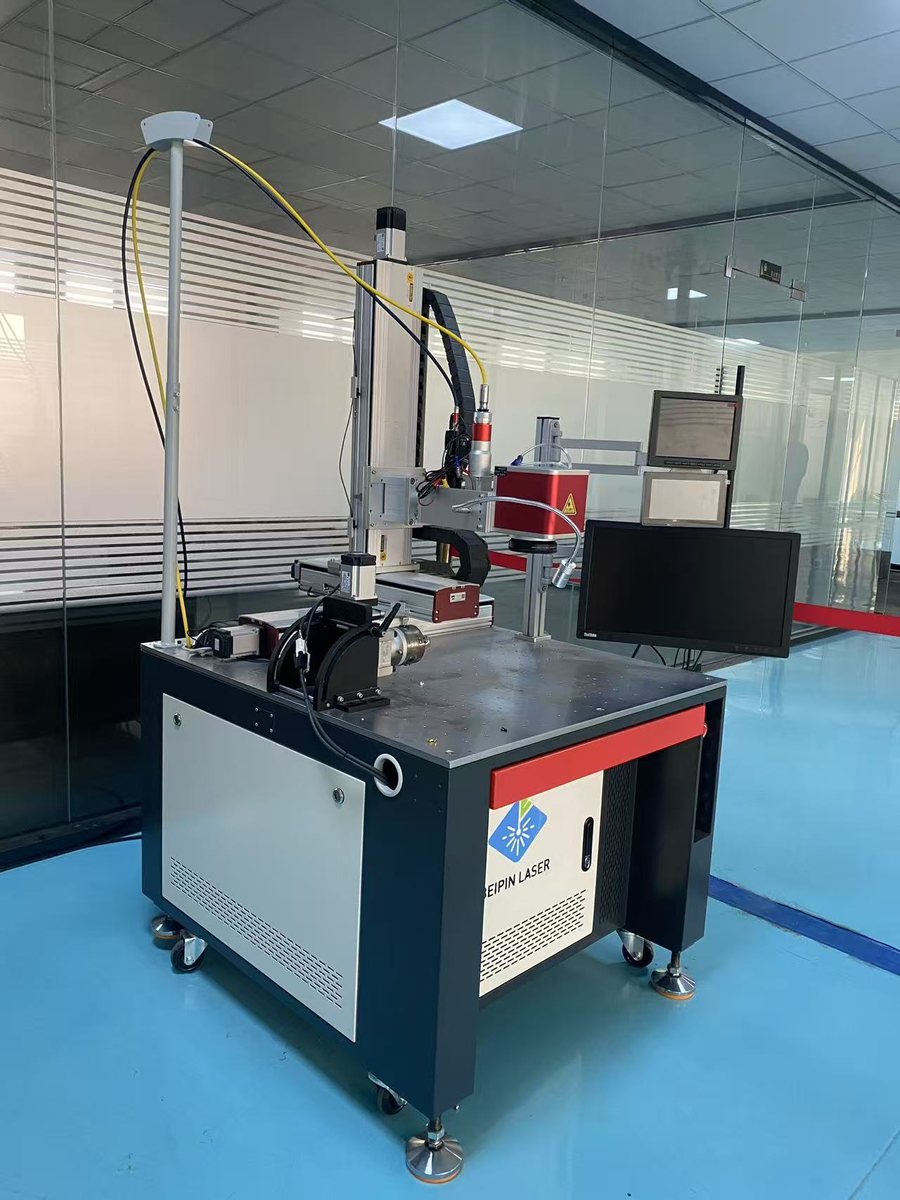
The BP-W-P150 is a platform workstation built around a QCW (quasi-continuous wave) fiber laser for precision spot welding of thin parts such as sensor housings, diaphragms, leads and medical small parts in stainless steel, titanium, NiTi, copper and aluminum. Free sample testing at our facility in Kunshan (Suzhou), China.
Specifications
| Item | BP-W-P150 |
|---|---|
| Laser | QCW quasi-continuous fiber laser; 150 W average / 1500 W peak |
| Pulse | Pulse width 0.2–50 ms; 1–10,000 Hz; single-pulse energy 15–25 J |
| Beam quality | Single-mode down to 0.35 mm·mrad, multimode up to 2 mm·mrad; wall-plug efficiency >30% |
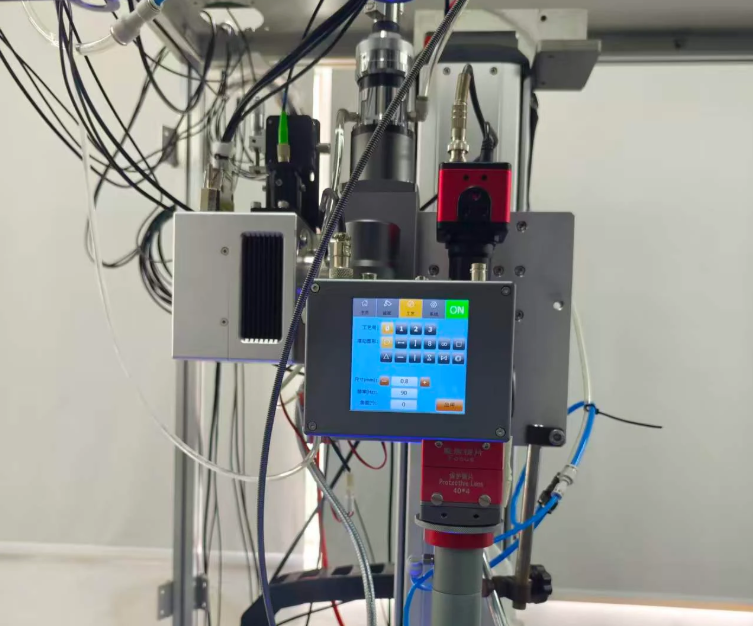
| Optics and vision | Galvo welding head (standard), focusing head optional; HD CCD vision positioning |
| Platform | Linear-module stage + Z lift; IPC + touch screen; Beipin welding control card and software |
| Fixture | Three-jaw rotary chuck (standard) for circumferential spots; custom fixtures available |
Capability (typical, confirmed by sample tests)
Stainless steel, copper, aluminum, silver-plated parts, titanium and NiTi; thickness 0.1–0.8 mm; minimum spot diameter about 0.02 mm; pull load 10–800 N depending on material and joint; laser-on time 0.2–2 s per weld.
Why QCW for precision spot welding
- Low heat input: peak power is 10× the average power.
- Consistent spots from pulse to pulse.
- Small spots with selectable beam quality.
- Maintenance-free fiber laser instead of lamp-pumped YAG.
- Spot welding, seam welding and micro-drilling in one machine.
Typical parts
- Micro sensor housings, diaphragms, leads and terminals.
- Medical stainless steel, titanium and NiTi small parts.
- Copper, aluminum and silver-plated connections (highly reflective metals need sample tests first).
Sample process
- Send samples or drawings.
- We select spot size, pulse width and peak power.
- We weld samples and report appearance, micrographs and pull-test results.
- Cycle time, fixtures and automation are confirmed.
- Proposal and quotation.
FAQ
QCW vs YAG laser spot welding?
Both are pulsed. QCW uses a fiber laser: better beam quality, smaller spots, >30% efficiency and no pump lamps to replace.
What is the thinnest material you can weld?
Typically 0.1–0.8 mm; thinner or dissimilar materials need a sample test.
How is it quoted?
By configuration (welding head, fixtures, automation), usually after sample testing.
Send samples or drawings for a free QCW welding test. Email: fangzhenyu1981@gmail.com | WhatsApp: +86 186 1631 3040
Related: OCT weld depth monitoring | 3D weld seam inspection | Precision four-axis laser tube cutting machine | Medical device welding system
 Rec.
OCT Weld Depth Monitoring System
In-line OCT weld depth monitoring integrated with laser weld...
 Rec.
3D Weld Seam Inspection System
Laser welding cells with pre-weld 2D positioning and post-we...
Rec.
QCW Laser Spot Welder BP-W-P150
BP-W-P150 QCW quasi-continuous fiber laser spot welder: 150 ...
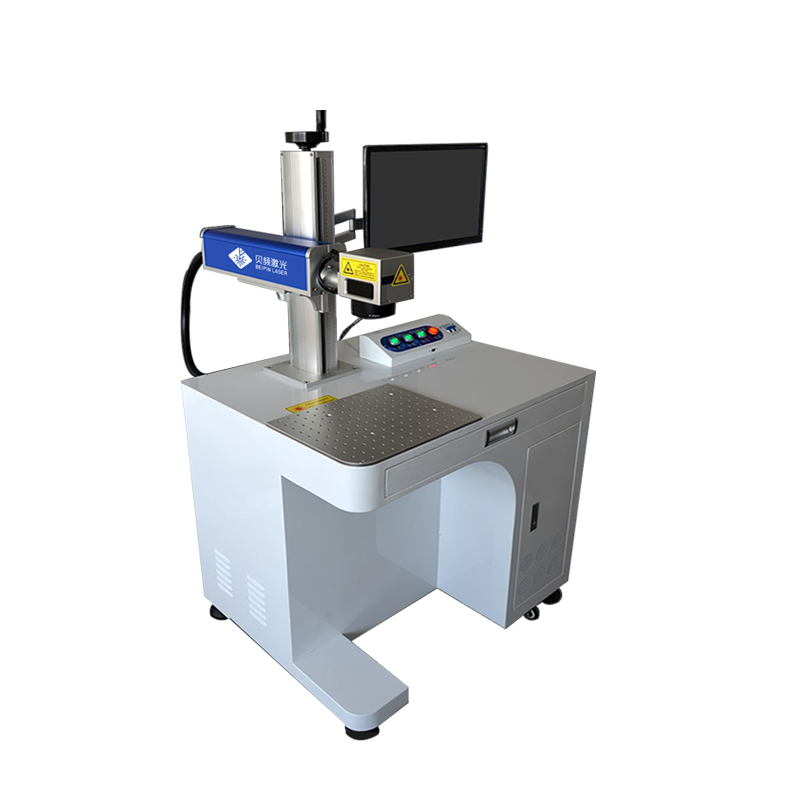
Fiber Laser Marking Machine
Widely used in high-precision product identification industr...
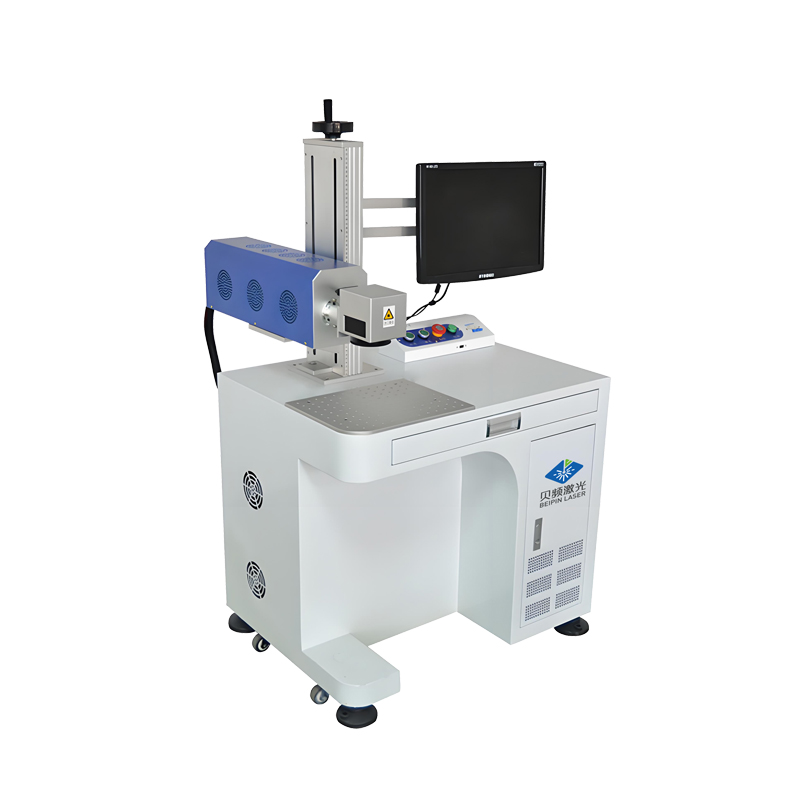
CO₂ Laser Marking Machine
Widely used in industries such as food and beverages, cosmet...
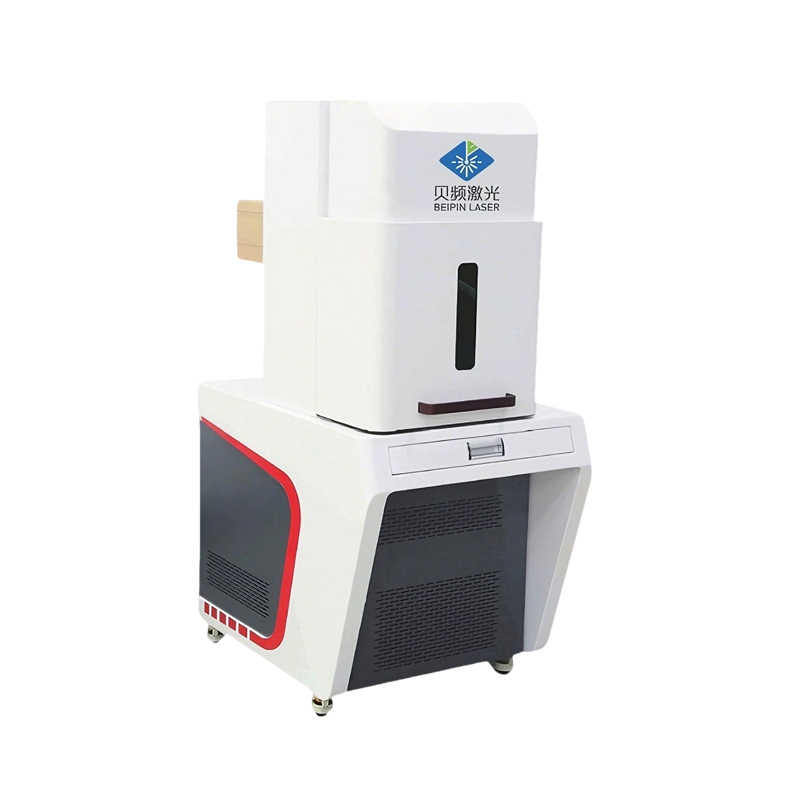
UV Laser Marking Machine
Widely used for surface marking and micro-hole drilling (ape...
Fiber Laser Cutting Machine
Widely used in industries such as automotive components, mob...