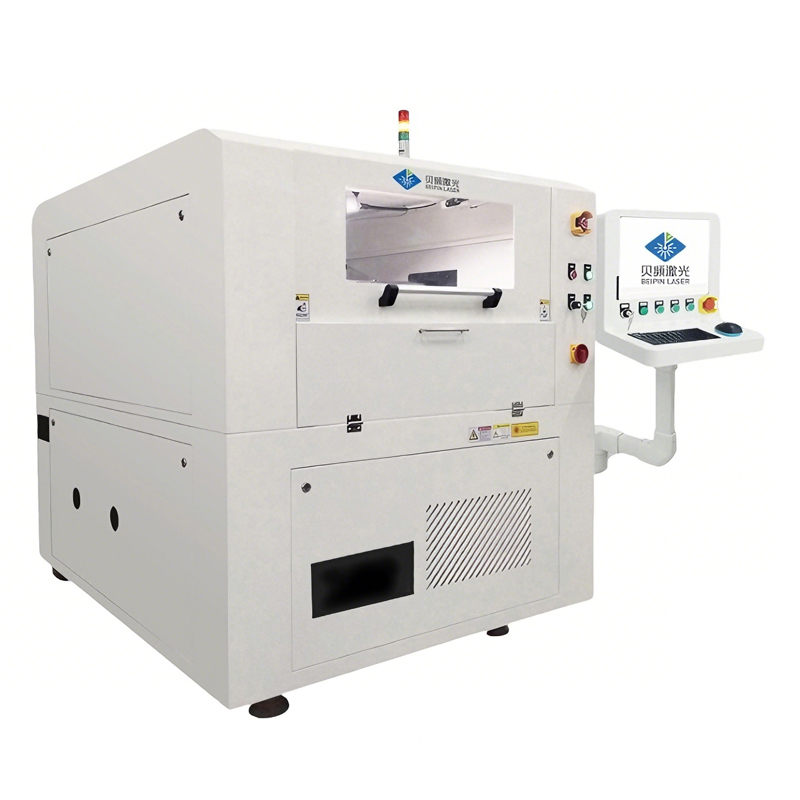
Four-Axis Dual-Laser Stent Cutting Machine for Ø0.3–16mm Tubes
- Machine Model: #Four-axis · Dual laser
- Stock: In Stock & Customizable
Contact Customer Service
Beipin four-axis dual-laser stent cutting machine: 200W single-mode fiber laser for thin walls and QCW single-mode laser for 0.5–2.0mm walls, Ø0.3–16mm tubes, 15–25μm kerf, X/Y/Z/θ full closed loop, dry and wet cutting. For 316L, cobalt alloy, nitinol and magnesium stents and precision tubes. Sample testing available....
- Two lasers in one machine for thin and thick walls
- Tube diameter Ø0.3–16mm, wall thickness up to 2.0mm
- 15–25μm kerf, about 12μm focal spot
- Granite base, linear motors, four-axis full closed loop
- Dry or wet cutting to reduce dross on the inner wall
- Barcode recipe recall, run logs, MES connection
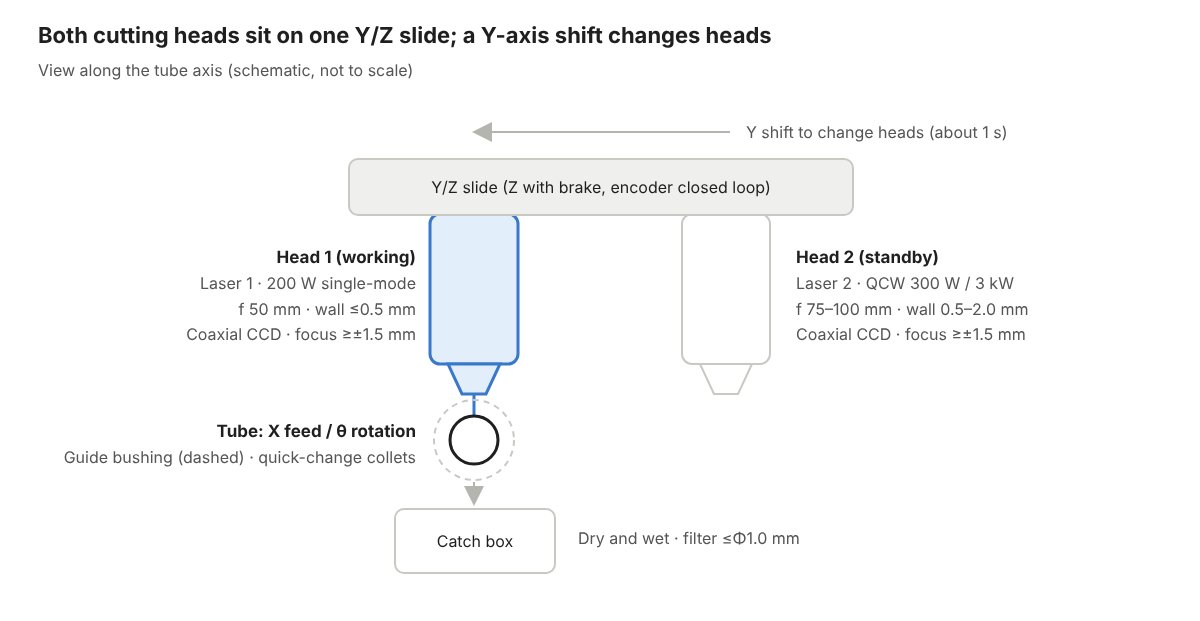
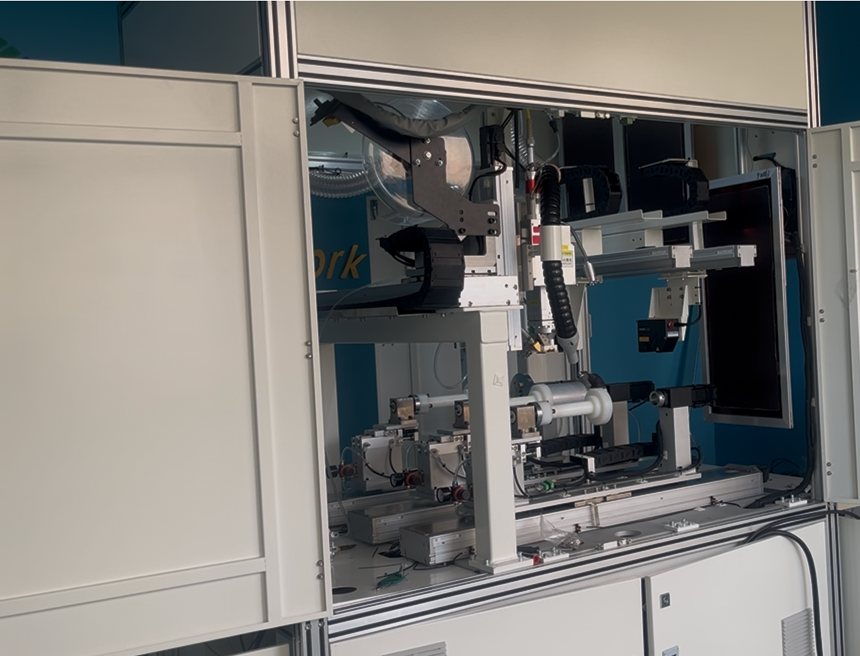
This is Beipin's four-axis laser cutting machine for medical stents and precision metal tubes. One machine carries two lasers and two cutting heads. A 200W single-mode CW fiber laser cuts thin-wall stent tubing under 0.5mm with a 15–25μm kerf. A QCW single-mode laser cuts 0.5–2.0mm thick walls. Both heads share the same feed axis, rotary axis and collet, and the program switches heads by wall thickness, so changeover needs no re-clamping or beam realignment. It handles cutting, slotting, drilling and blind engraving, in dry or wet mode.
Two cutting heads, two jobs
| Laser 1: thin wall | Laser 2: thick wall | |
|---|---|---|
| Wall thickness | ≤0.5mm | 0.5–2.0mm |
| Laser | 200W single-mode CW fiber laser (IPG or equivalent) | QCW single-mode fiber laser, 300W average / 3kW peak (IPG or equivalent) |
| Beam quality | M²<1.1 | Single-mode |
| Focusing lens | f=50mm | f=75–100mm (long depth of focus) |
| Focal spot | About 12μm | About 19–25μm |
| Kerf width | 15–25μm | Increases with wall thickness; confirmed by test cuts |
| Main processes | Fine stent cutting, slotting, blind engraving, micro-holes | Thick-wall cutting, drilling, windows |
Changing heads takes about 1 second of Y-axis travel. The offset between the two heads is calibrated with the CCD and stored in the software, and each program can specify which laser to use. Both lasers share one safety circuit, and only one can emit at a time.
Motion system and precision
| Base | Stress-relieved welded steel frame with natural granite (grade 00 flatness) |
|---|---|
| X axis (feed) | Linear motor with linear scale, travel ≥500mm, speed ≥500mm/s |
| Y axis (head change) | Linear motor with linear scale, travel ≥100mm |
| Z axis | Precision ball screw, servo with brake, linear scale; positioning ±3μm, repeatability ±0.5μm |
| θ axis (rotation) | Hollow direct-drive motor with rotary encoder, 360° continuous, ≥600rpm, positioning ±10″, repeatability ±2″ |
| Clamping | Pneumatic collets with quick-change sets for Ø0.3–Ø16mm; modular guide bushings |
| Feeding | ≤500mm per stroke, up to 2500mm total length with support rack and V-type follower |
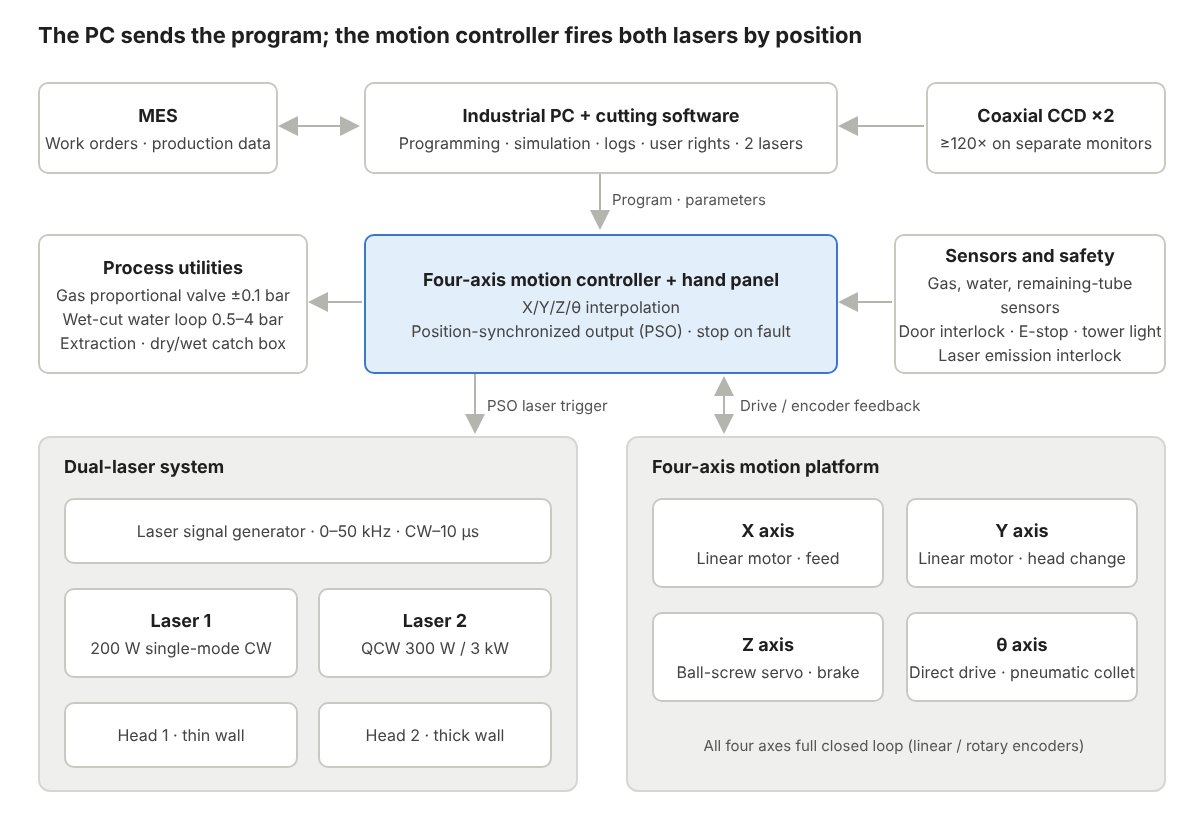
| Laser sync | Position-synchronized output (PSO) for even energy at corners and speed changes |
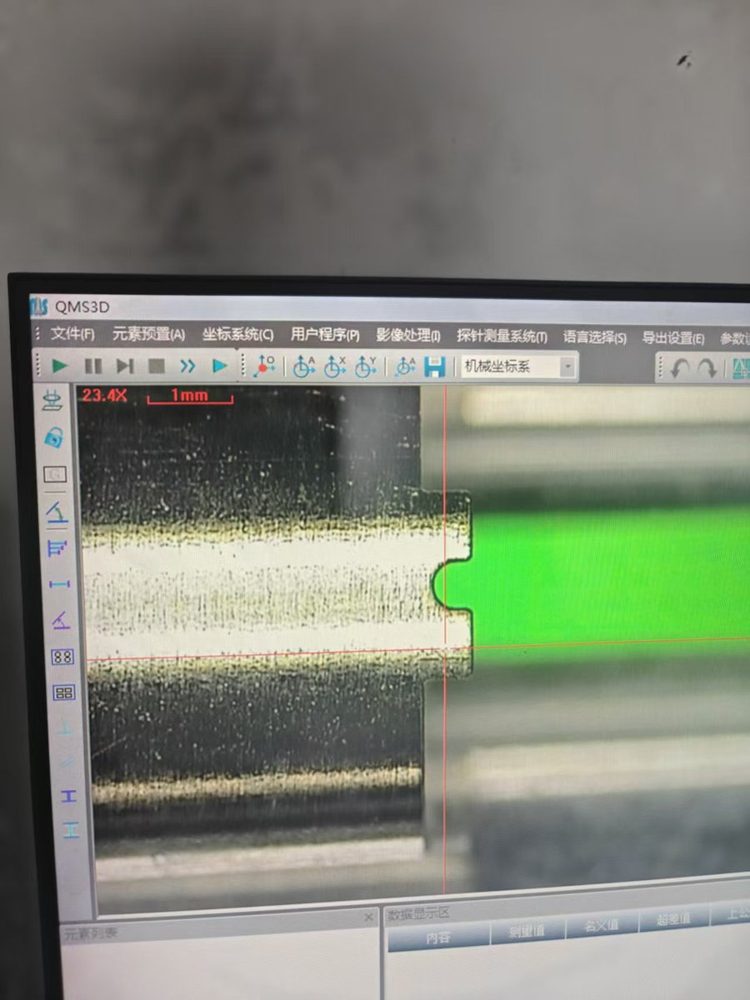
| Vision | Coaxial CCD, ≥120× on screen; motorized fine focus ≥±1.5mm |
Materials and processes
- Materials: 304 and 316L stainless steel, cobalt alloys, nitinol, magnesium alloys, titanium alloys, pure iron and other thin-wall precision tubes.
- Processes: cutting, slotting, drilling and blind groove engraving on the tube surface (depth controlled by layered scanning); radial, vertical and compound openings.
- Dry and wet cutting: wet mode runs water through the tube to reduce dross and back-wall damage; dry mode uses extraction. Heat-sensitive or flammable materials such as magnesium and nitinol are cut wet with inert gas, using a parameter library per material.
- Speed: ≥6mm/s for thin-wall parts; thick-wall parameters are confirmed by test cuts.
Traceability
Scan the work-order barcode to load the cutting program and laser, gas and water settings. Gas pressure, water pressure and path deviation are monitored, with alarm and pause on faults. A sensor at the feed end estimates remaining tube length and stops for a tube change. Run logs record quantity, program, laser settings, alarms and time, and can be sent to MES. Multi-level user permissions are included.
How to start
- Send samples or drawings with material, diameter, wall thickness and cut pattern.
- We choose the laser and process: thin or thick wall, dry or wet.
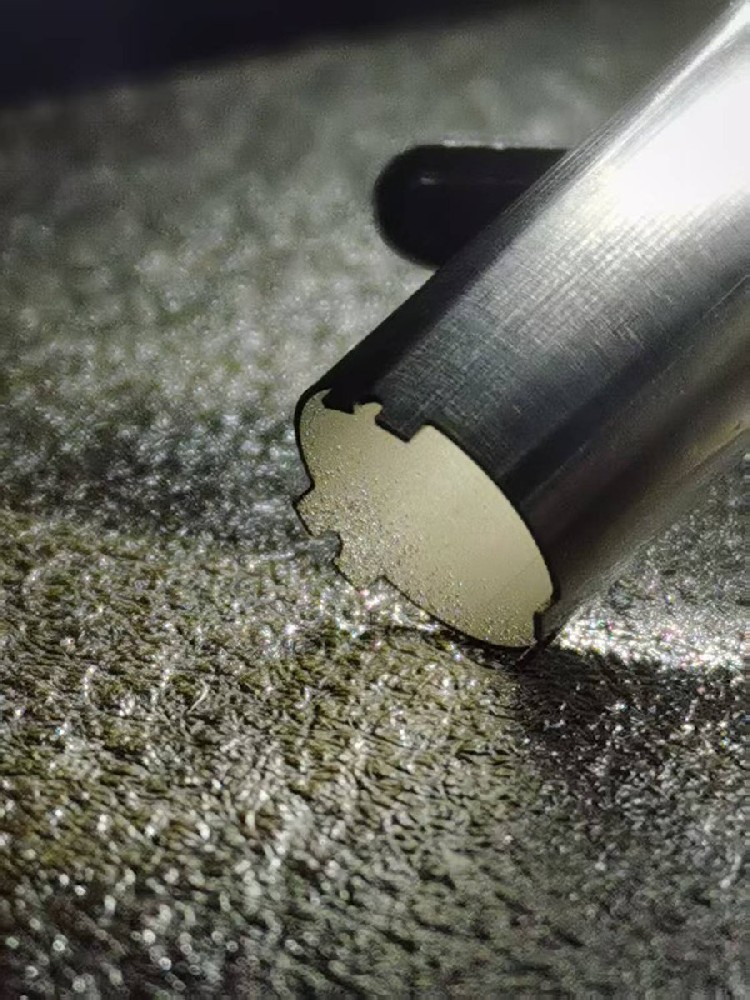
- We cut samples and send micrographs of kerf, dross and heat-affected zone, plus measurements.
- We confirm cycle time, fixtures and traceability needs.
- You receive a proposal and quotation.
Information we need for a quote
Tube material, outside diameter and wall thickness, part length, cut pattern (stent design or hole drawing), kerf and tolerance requirements, wet cutting needed or not, volume, and MES connection.
Free sample test: send us your samples or drawings. We cut them and send back microscope photos and measurement data. WhatsApp: +86 186 1631 3040 | Contact us
FAQ
How narrow can the stent kerf be?
For thin walls, the 200W single-mode laser with an f50 lens gives a theoretical spot of about 12μm and a 15–25μm kerf. Final values depend on material and wall thickness and are confirmed by test cuts.
How do you cut nitinol and magnesium?
Both are heat-sensitive, and magnesium is flammable. We cut them wet with inert gas to reduce the heat-affected zone and oxidation. For even lower heat input, a femtosecond laser can be added.
Can it cut 2mm thick walls?
Yes. Walls of 0.5–2.0mm are cut by the QCW laser with a long depth-of-focus lens. Parameters are confirmed by test cuts.
How is it different from the Beipin precision four-axis tube cutting machine?
The precision tube cutting machine covers general cutting, drilling and parting of thin medical tubes. This machine is a high-end configuration for stents: two lasers, granite base, four-axis full closed loop, wet cutting and MES traceability.
Related: Precision four axis laser tube cutting machine | Precision thin-walled tube laser cutting machine | Micron-Level Laser Cutting Machine
 Rec.
BP-OCT Weld Depth Monitoring System
BP-OCT: in-line OCT weld depth monitoring integrated with la...
 Rec.
3D Weld Seam Inspection System
Laser welding cells with pre-weld 2D positioning and post-we...
 Rec.
QCW Laser Spot Welder BP-W-P150
BP-W-P150 QCW quasi-continuous fiber laser spot welder: 150 ...
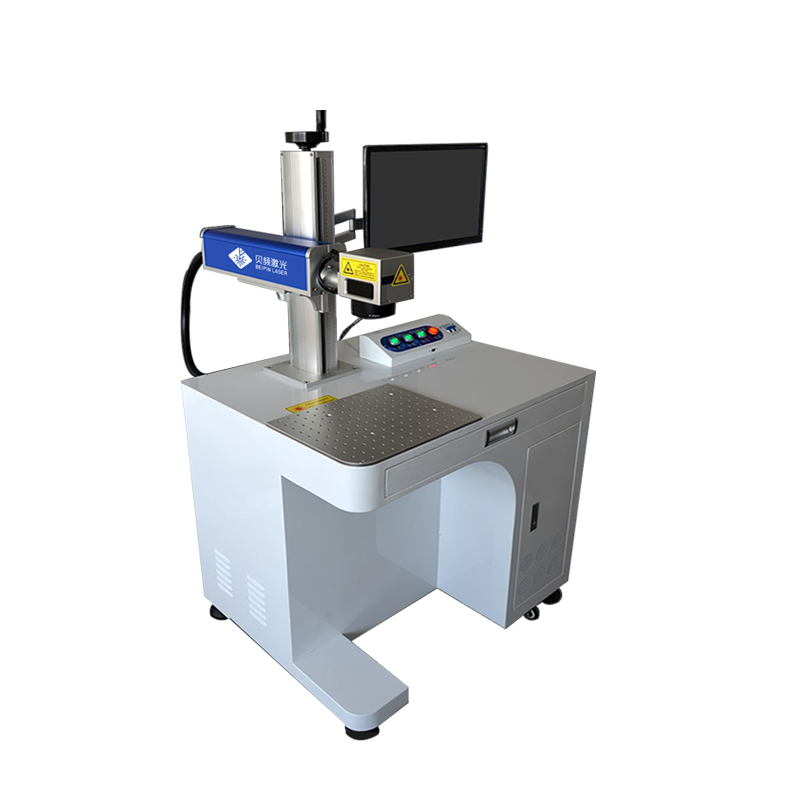
Fiber Laser Marking Machine
Widely used in high-precision product identification industr...
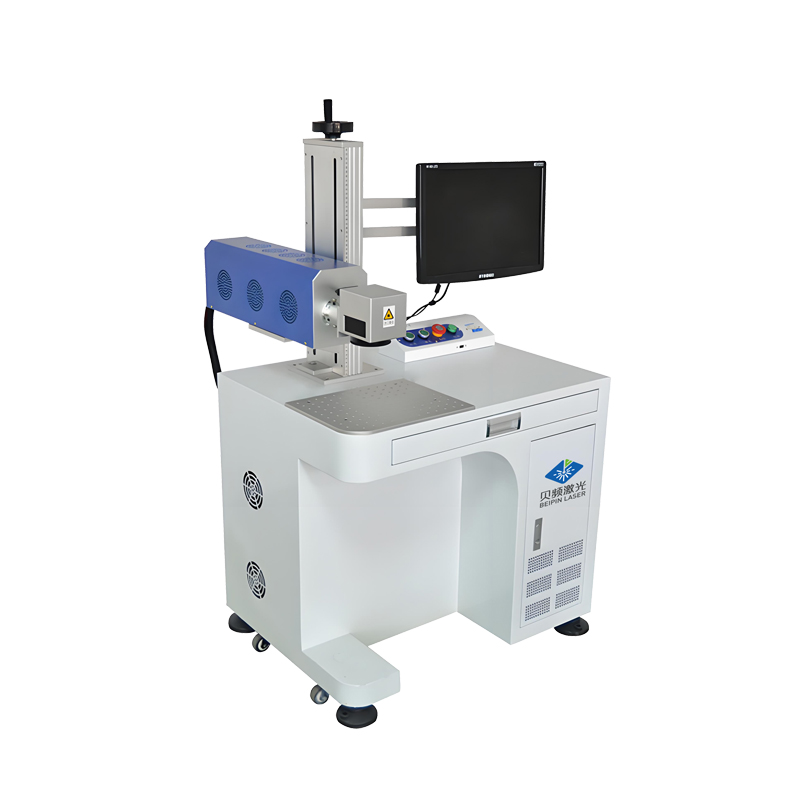
CO₂ Laser Marking Machine
Widely used in industries such as food and beverages, cosmet...
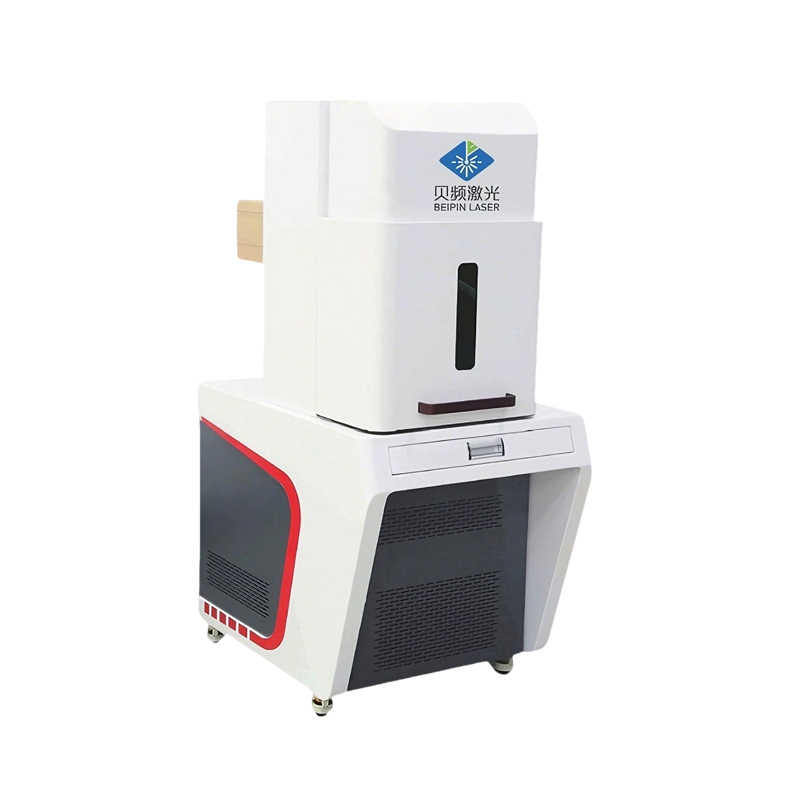
UV Laser Marking Machine
Widely used for surface marking and micro-hole drilling (ape...
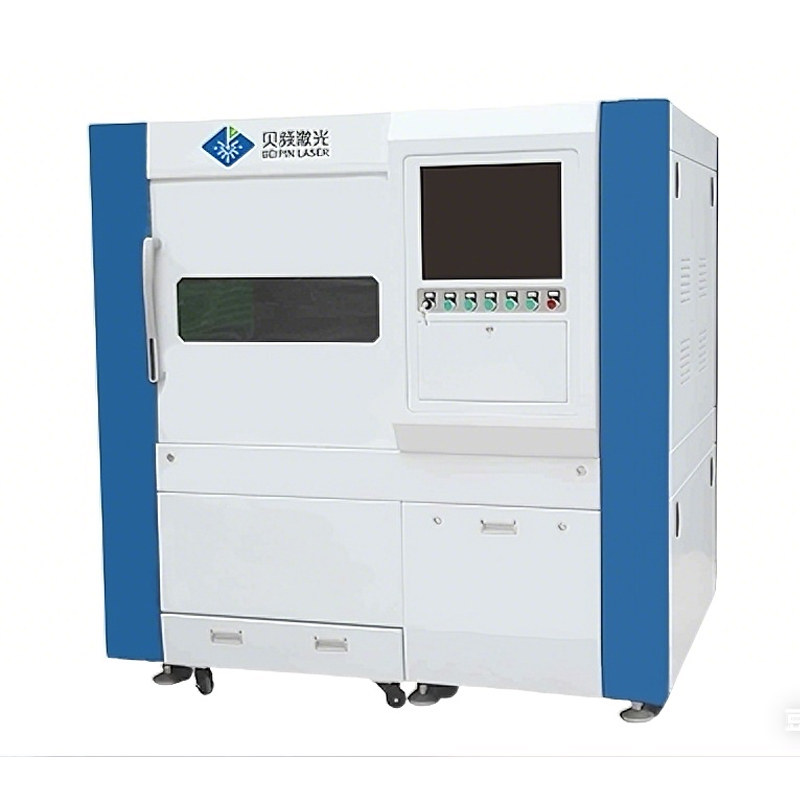
Fiber Laser Cutting Machine
Widely used in industries such as automotive components, mob...